
Fur care
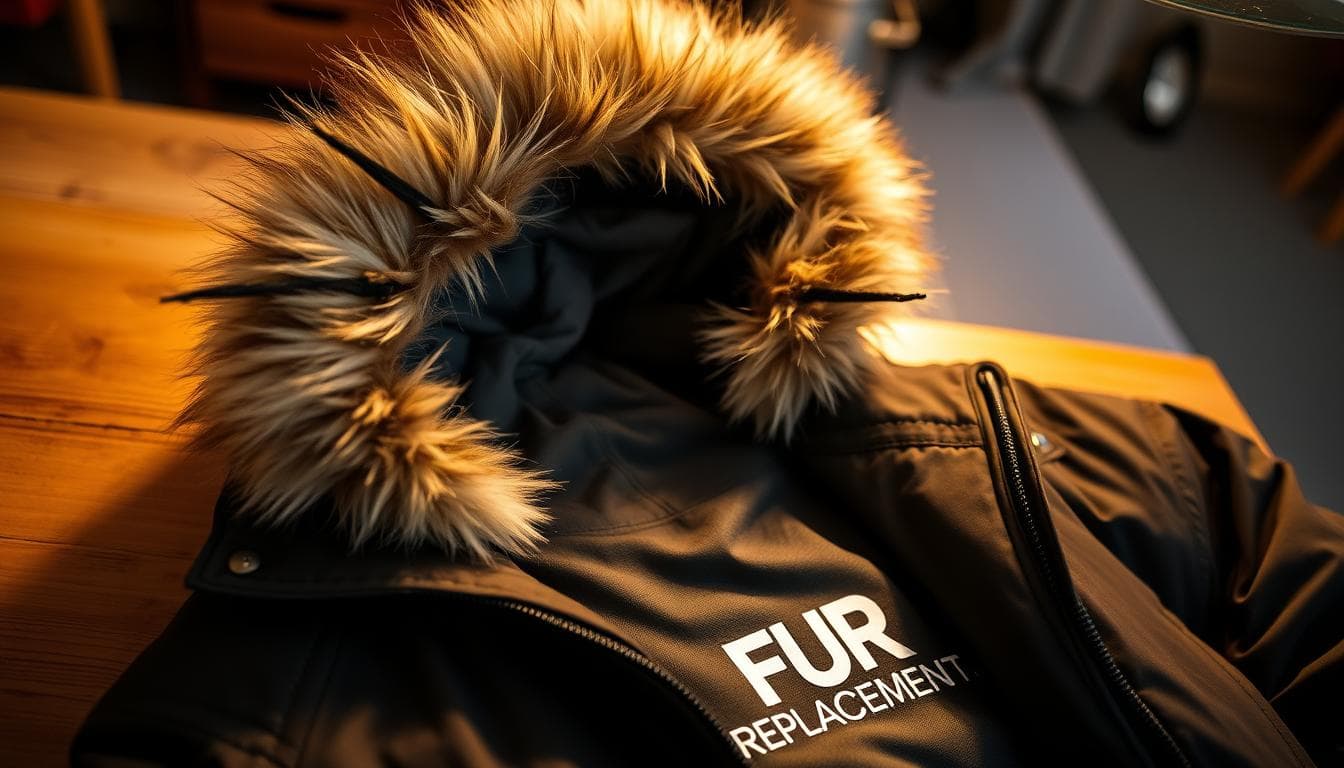
Premium Winter Jacket Hood Accessories by FUR REPLACEMENT™
There are pieces in our closets that hold memories—first trips, cold walks, moments we hoped to keep. We understand the
Read article →·palsgrossistensup
Fur care
By palsgrossistensup · 06 Oct 2025
Choosing a coat can feel personal. Cold mornings bring memories of a parent’s embrace or a favorite winter walk. That comfort turns a purchase into an emotional decision.
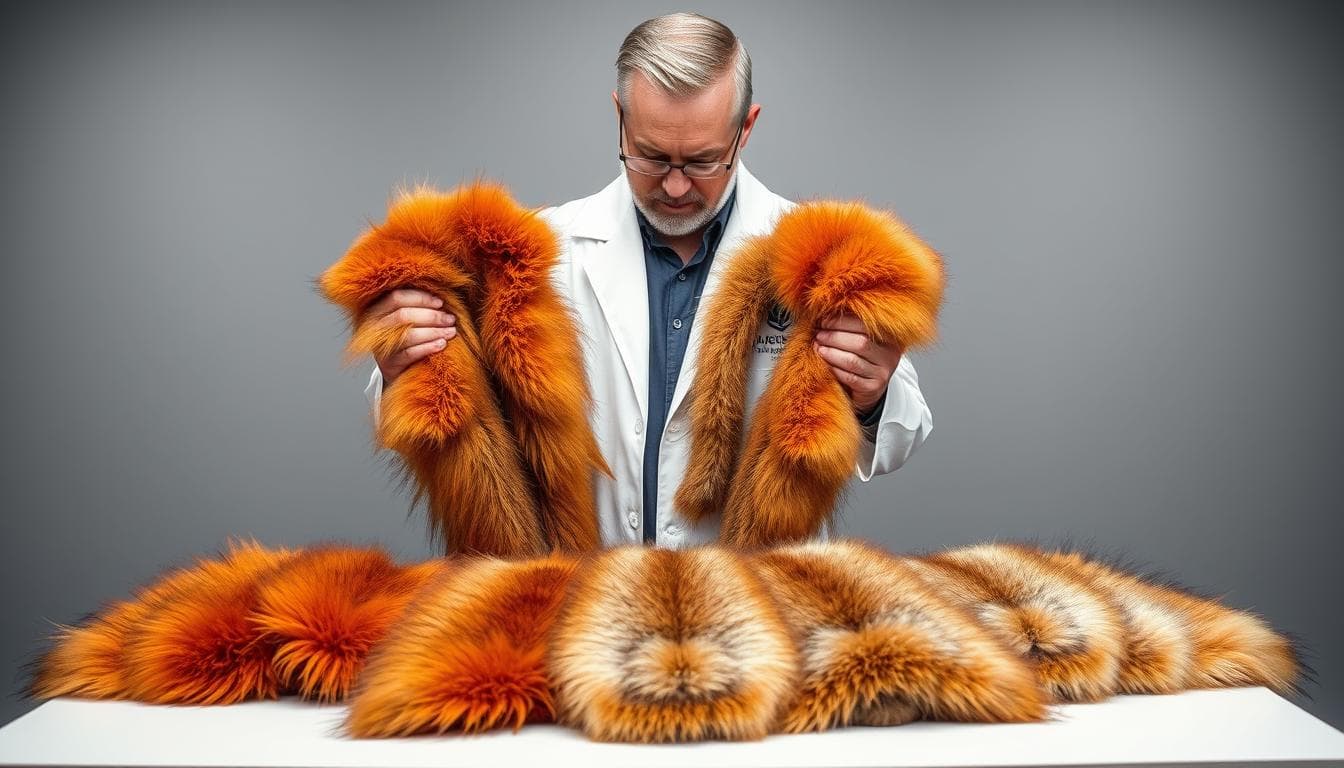
We ask the core question — is real fur warmer than faux fur — to help guide consumers with clear facts and honest craft. Our goal is to weigh warmth, care, aesthetics, and ethics so you can choose without losing a luxury look.
FUR REPLACEMENT™ crafts premium, handcrafted alternatives rooted in Scandinavian design. Each piece aims to match the hand-feel and appearance of natural pelts while using cruelty-free materials.
Industry advances mean engineered pile, dense linings, and smart construction now deliver strong performance in many daily coats. We will let take a closer look at insulation science, care needs, durability, and environmental trade-offs in the full article.
The debate over warmth often comes down to fiber structure and construction, not just material labels.
Short answer: natural pelts usually outperform synthetic pile in extreme cold because dense undercoats and hollow guard hairs trap air and form a warm microclimate.
In everyday city use, engineered alternatives compete well. Modern faux fur with a thick pile and double-lined interiors can match perceived warmth for commutes and travel.
Moisture and fit matter. Natural fibers may lose loft when damp. Some faux options dry faster and keep insulation after light precipitation.
| Feature | Natural pelts | High-end faux fur | Practical result |
|---|---|---|---|
| Fiber structure | Dense undercoat, hollow guard hairs | Engineered pile, polyester/acrylic blend | Pelts excel in trapped-air insulation |
| Moisture handling | Can lose loft when wet | Often recovers and dries faster | Faux better in variable weather |
| Coat construction | Traditional tailoring, heavy linings | Double linings, seam sealing options | Both can be optimized for warmth |
| Best use | Extreme cold and subzero conditions | City winters, commutes, travel | Match coat to conditions and needs |
Our take: match the coat to your conditions, then refine for aesthetics and care. We craft premium replacements to preserve warmth synergy while offering cruelty-free luxury.
Understanding insulation starts with how fibers and construction trap still air around the body.
Layered fibers build thermal performance. A dense undercoat provides loft. Longer guard hairs deflect wind and reduce heat loss.
Hollow fibers add a bonus: they trap pockets of air that form a warm microclimate next to skin. Craftsmanship and lining quality also shape final results.
Modern faux options use polyester and acrylic pile to mimic loft. Double linings and strategic interlinings increase trapped air. Tight stitch density and wind-blocking facings further improve insulation.
Our handcrafted replacements replicate tactile properties and visual richness while meeting sustainability goals. For more detail, compare materials and craft at compare materials and craft.
Heat retention rises with fiber loft and trapped air volume. Breathability affects comfort; natural fibers breathe well but can lose loft when wet.
Quality engineered textiles often dry faster and resist matting after light moisture. Surface structure—guard hairs versus dense pile and tight shells—determines wind performance. Choose construction suited to your local conditions and activity.
City commutes and blizzard treks demand different performance from a winter coat. We guide you to match choices to your routine and local conditions.
In subzero settings, real fur delivers immediate loft and wind resistance for long outdoor stretches. That insulation feels robust during extended exposure.
For city use and short trips, modern faux fur with double linings often provides ample warmth. These engineered pieces are lighter and easier to layer during quick indoor transitions.
Choose lighter jackets and three-quarter coats for active days. They preserve range of motion and make heat control simple.
Our advice: select the option that matches your routine. Quality pile, seam placement, and finishing maintain a premium look while delivering practical warmth.
Simple routines at home protect craftsmanship and preserve loft in premium outerwear.
Professional cleaning only. A true pelage needs specialist attention; standard dry cleaning can strip oils and damage the coat.
If wet, shake off snow, hang to air dry away from heat, and brush once dry with a fur brush.
Off-season storage should be cold and climate-controlled when possible. At home, avoid sunlight and heat.
Spot clean with mild soap. When allowed, use a gentle cold cycle and always air dry.
After drying, fluff with a steamer or soft brush to restore pile and drape. These materials often tolerate travel and regular wear.
“Maintenance routines affect drape and hand-feel; light, regular brushing prevents matting and keeps both materials visually refined.”
| Item | Real fur | Faux fur |
|---|---|---|
| Cleaning | Professional fur cleaning only | Spot clean; cold gentle wash when permitted |
| Drying | Air dry away from heat; brush when dry | Air dry; fluff with steamer or brush |
| Storage | Cold, climate-controlled; breathable bag | Cool, dry place; breathable bag recommended |
| Maintenance cadence | Avoid frequent cleaning; seasonal inspections | More tolerant of regular home care |
Our mission is to deliver handcrafted replacements that stay beautiful longer. We recommend simple, regular care to protect investment pieces and preserve a luxury look.
Longevity matters: a well-made outer layer can outpace trends and keep performance season after season.
Durability depends on fiber resilience, construction, and regular maintenance.
Poor care speeds matting at collars and cuffs. High-quality builds resist seam stress and keep a refined silhouette.
Calculate cost per wear over time. Factor cleaning, storage, and possible relining or repairs.
Real fur long performance can offset higher purchase prices when professional care is followed. Modern faux fur options with dense pile and strong interlinings also offer good value for many routines.
“Consistent maintenance is the single biggest multiplier for durability and long-term value.”
| Factor | Typical outcome | Cost drivers | Practical tip |
|---|---|---|---|
| Durability | Longer life with quality materials | Fiber resilience, stitch density | Prioritize construction over trend |
| Maintenance | Better shape, less matting | Cleaning, brushing, storage | Set seasonal care routines |
| Repairs & relining | Restore structure and drape | Skilled labor, parts | Use specialists for luxury coats |
| Cost over time | Lower with durable pieces | Upfront price vs. replacements | Compute cost-per-wear |
Today’s buyers weigh ethics, chemical use, and microplastic risks alongside style.
Fur farming requires land, feed, and water at scale. Processing often relies on tanning chemicals such as formaldehyde and chromium.
These inputs raise pollution risks and can expose workers to health hazards. CE Delft (2013) found mink production may cause up to a tenfold higher environmental impact versus alternatives in several categories.
Synthetic pile, often made from polyester, sheds microfibers during use and washing. That creates pollution risks for waterways.
Recycling streams remain limited, so uncontrolled disposal harms circularity. Better production controls and recycled inputs reduce footprint.
Responsible brands favor materials made recycled materials and lower-impact dyes. We choose cruelty-free options and design for durability.
“Longevity and repair reduce overall environmental cost more than single-item comparisons.”
| Impact area | Traditional farming | Improved synthetic approach |
|---|---|---|
| Resource use | High land, feed, water | Lower raw land use; relies on petrochemicals |
| Pollution | Tanning chemical runoff | Microfiber shedding; dye effluents |
| Solutions | Better processing, reduced chemicals | Recycled polyester, controlled production |
Scandinavian design frames our approach: clean lines, quiet luxury, and materials that read elegant at a glance.
We craft accessories that mirror the tactile depth of natural pelts while honoring a minimalist silhouette. Precise tailoring and balanced proportions keep each piece refined and wearable.
Advances in faux fur design let us sculpt silhouettes and offer rich textures and colors. Premium craftsmanship ensures seam integrity, pile alignment, and edge finishing that read luxurious close up and at a distance.
Our components integrate into coats or refresh a single garment. This extends service life and elevates garments responsibly.
“Quiet details—pile alignment, seam finishing, and tonal harmony—create a timeless look that respects modern values.”
Explore pairing options and restoration services via our guide at fur care and pairing tips.
FUR REPLACEMENT™ offers a crafted path to restore beloved outerwear without animal inputs.
We handcraft each piece from ethically sourced, cruelty-free textiles. Materials include dense pile and linings that mimic loft and drape.
Our approach uses components that are made recycled materials where possible. That reduces waste while keeping performance high.
Proportions and finishing follow a clean, refined aesthetic. The result reads like a classic trim on modern garments.
These accessories restore wear areas or refresh a favorite coat without altering its original character.
Practical benefits:
“Measured fit guidance and care recommendations help consumers achieve a perfect result.”
Visit www.fur-replacement.com to view collections, learn about our process, and commission a tailored solution for your wardrobe.
Conclusion
Practical warmth and long-term impact depend on construction, not only labels.
Our review finds natural pelts often excel in extreme cold, while engineered pile gives ample warmth for daily city use. Consider heat needs, care, and storage when you choose a coat.
Quick takeaways: match coat construction and fit to your routine. Favor durable materials and simple upkeep to lower cost over time. Note environmental trade-offs: mink farming has higher average impacts, while synthetic options pose microfiber challenges.
We reaffirm our commitment to premium, handcrafted, cruelty-free accessories that deliver luxury aesthetics and modern sustainability. Explore collections and restoration services at www.fur-replacement.com.
More Posts
Fur care
There are pieces in our closets that hold memories—first trips, cold walks, moments we hoped to keep. We understand the
Read article →·palsgrossistensup
Fur care
Some choices stay with you: a worn collar, a beloved coat, a memory tied to a single trim. We know
Read article →·palsgrossistensup