Fur care
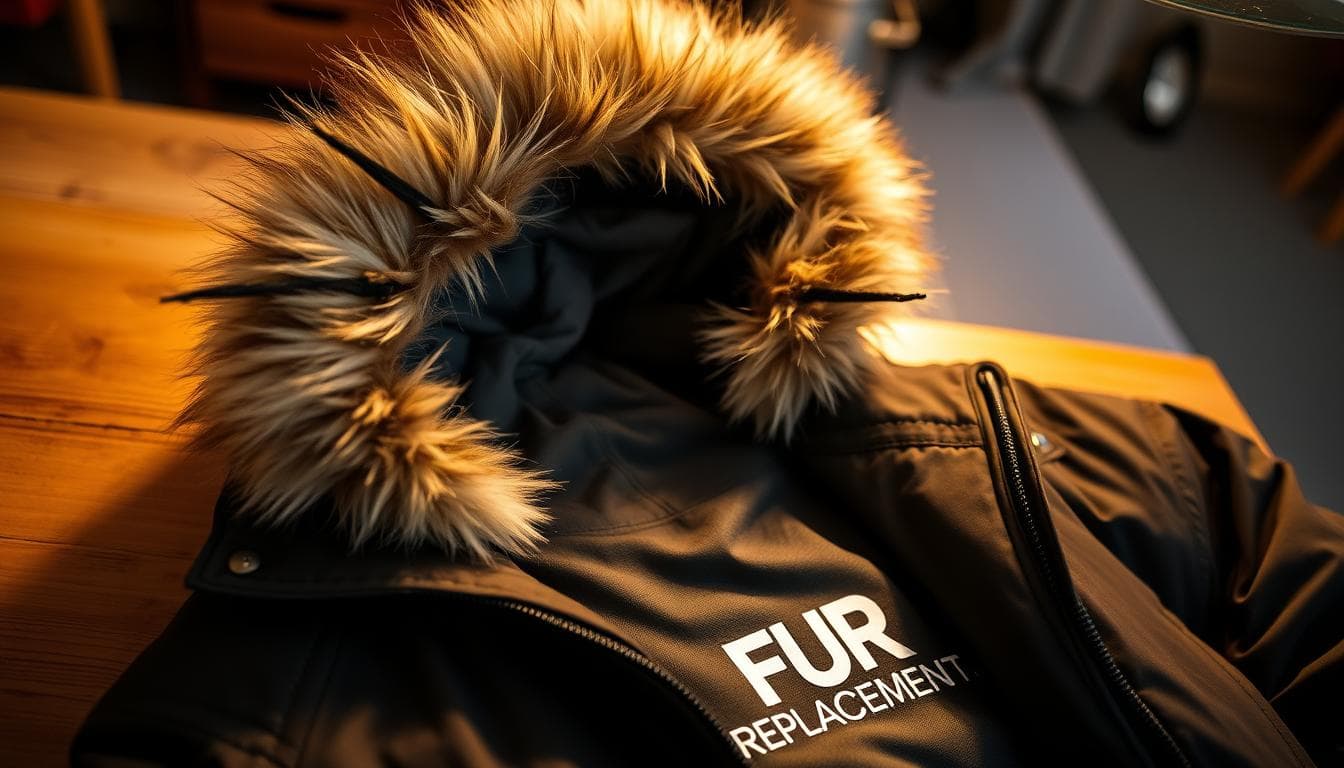
Premium Winter Jacket Hood Accessories by FUR REPLACEMENT™
There are pieces in our closets that hold memories—first trips, cold walks, moments we hoped to keep. We understand the
Read article →·palsgrossistensup
Fur care
By palsgrossistensup · 06 Oct 2025
I remember the first time I held a winter trim that felt like a memory—soft, warm, and full of care. That moment made our team set a higher bar. We wanted beauty without compromise. We wanted pieces with meaning and responsible origin.
Today, we answer how communities manage coyote sourcing in North America, outline formal standards and industry practices, and show why that matters for materials used in premium outerwear products.
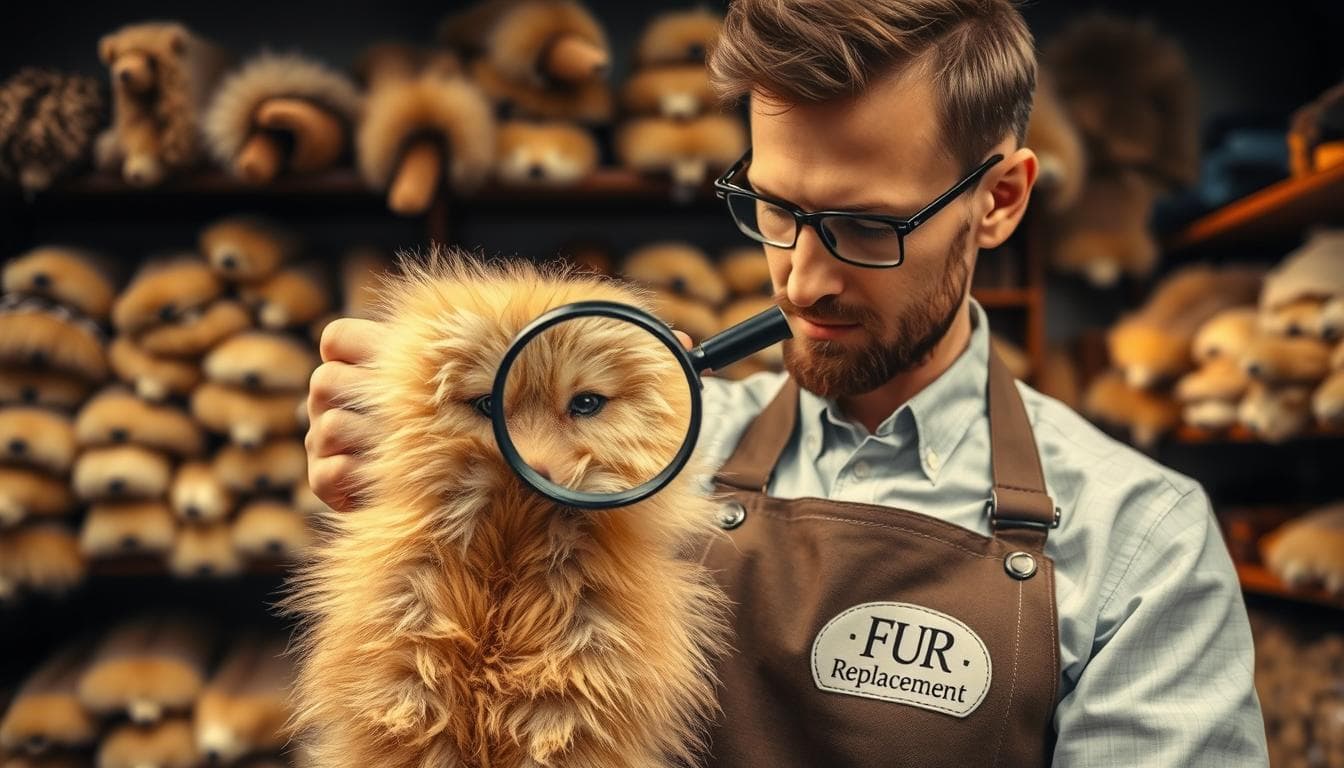
At FUR REPLACEMENT™, we craft handcrafted, cruelty-free replacements that mirror the look and hand-feel of natural trim. Our Scandinavian-led design prioritizes durability, performance, and luxury finish.
Read on to learn what sourcing, standards, and oversight mean for product quality and long-term care. We guide you toward confident choices before you add any item to your cart.
From trapper to processor, a formal chain of custody guides responsible collection and trade.
Field to product: Licensed trappers operate within legal seasons and follow defined trapping standards. Oversight from provincial and federal agencies sets authorized equipment and reporting rules. These steps shape a predictable supply chain and limit unregulated harvest.
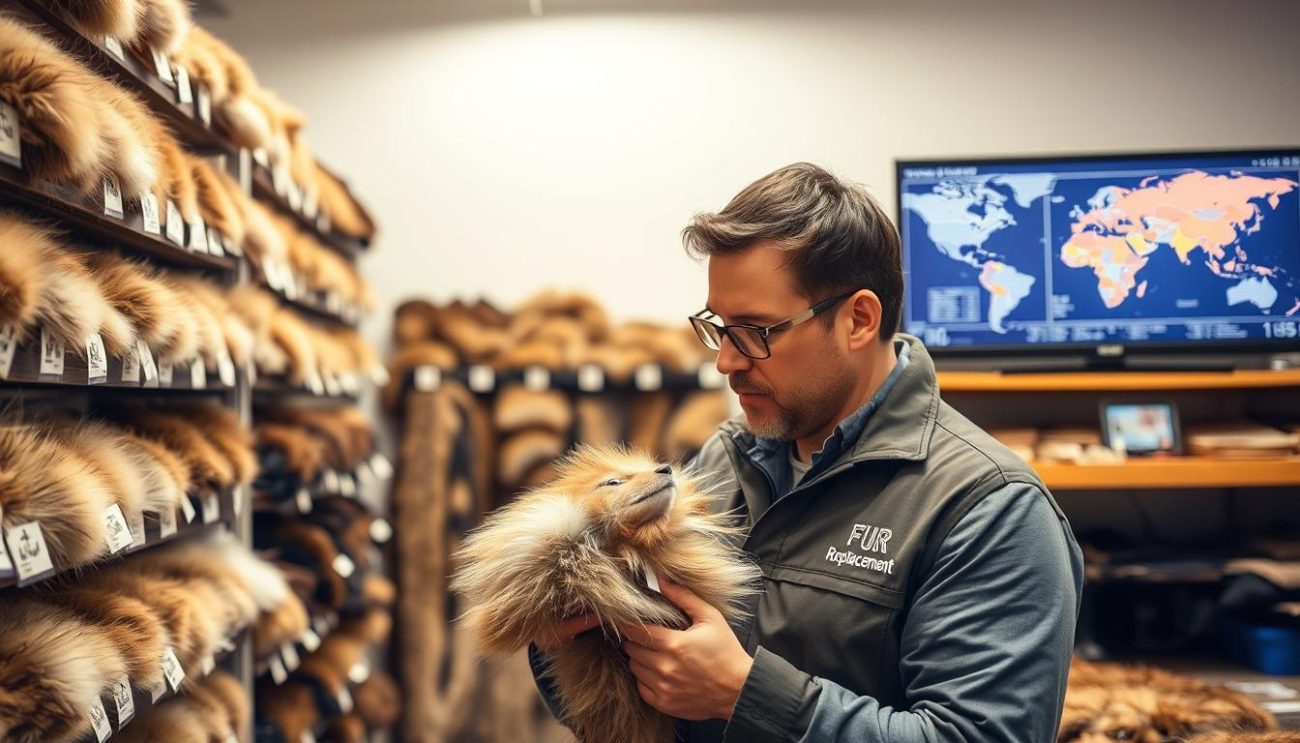
Most pelts come from Canada and the united states, where populations are abundant and markets are established. Registered dealers and auction houses move furs through documented channels. Brands often request supplier verification before materials enter production.
Canada follows the Agreement on International Humane Trapping Standards (AIHTS). The U.S. relies on best management practices that outline trap design and checking intervals by year.
For broader context on rising demand and trade details, see this report: winter coats drive high demand.
Regulations, certifications, and vendor checks work together to uphold welfare and quality.
Agreement international frameworks set baseline standards. In Canada, the Agreement on International Humane Trapping Standards (AIHTS) defines acceptable trap types and handling protocols. In the united states, Best Management Practices guide licensed trappers on equipment, check intervals, and reporting.
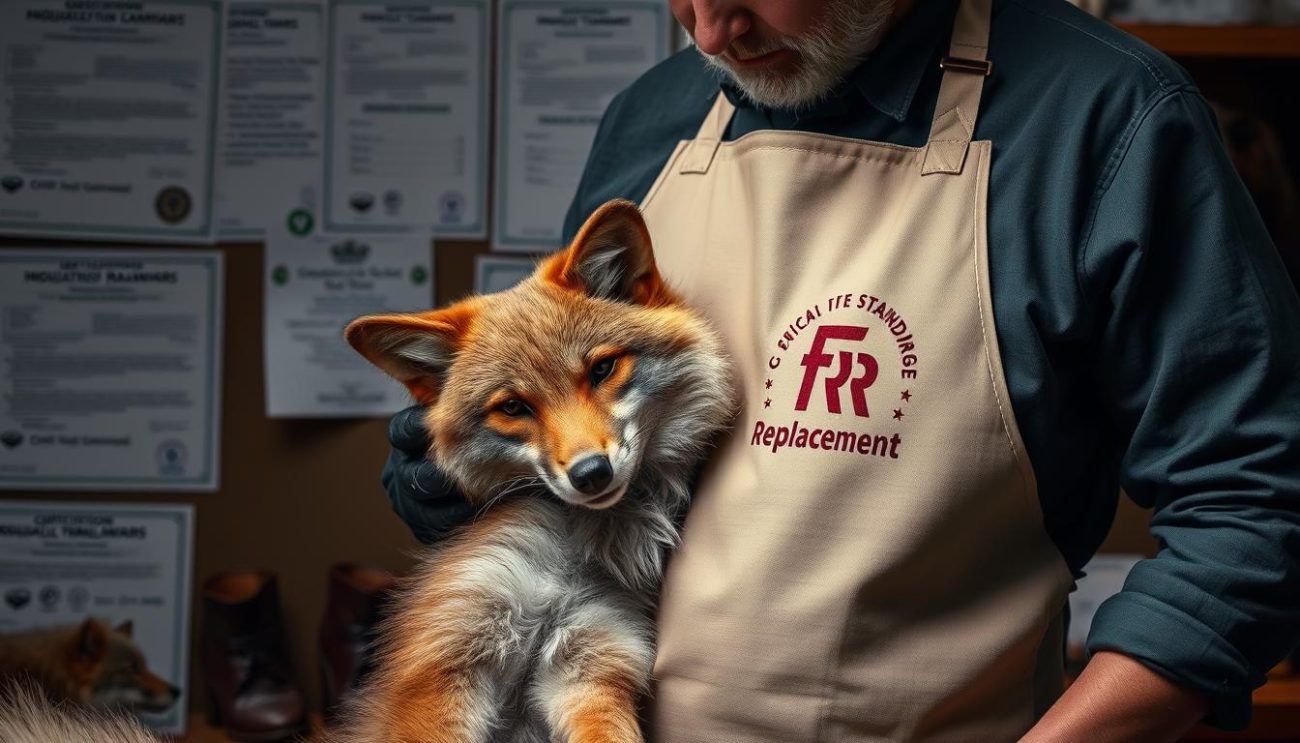
Programs such as Furmark provide traceability through dressing and dyeing. Nobis reports Furmark certification since 2021, showing industry interest in measurable welfare and sustainability outcomes.
Saga and marketplaces act as verification hubs. Bodies like the OIE and CITES shape cross-border rules and protections for protected species. Brands add supplier audits and production checks to strengthen traceability and supplier compliance.
Federal and provincial rules govern licensing, seasons, and export paperwork. Companies, from Woolrich to Triple F.A.T. Goose, often require suppliers to meet international protocols to confirm animal handling, material selection, and documentation across production.
FUR REPLACEMENT™ offers artisanal trim that pairs Scandinavian restraint with modern performance. Our products bring refined silhouettes and reliable wear for daily life.
We design alternatives that replicate depth, movement, and warmth without animal use.
Materials are selected for pile behavior, color fidelity, and backing strength. Each batch undergoes tactile and color checks in our atelier.
Our production focuses on longevity. We control pile height, fiber denier, and backing to limit matting and shedding.
Guidance on fit and attachment helps customers choose the right selection and add to cart with confidence.
| Feature | Traditional furs | FUR REPLACEMENT™ |
|---|---|---|
| Animal impact | High | None |
| Maintenance | Specialized cleaning | Machine-safe options; spot care |
| Longevity | Long when cared for | Engineered for daily use |
“Our atelier approach ensures repeatable results across styles and seasons.”
Elegant outerwear deserves high-quality accents that carry a transparent supply story.
Today’s systems reflect agreement international and international humane references, national rules in the united states, and brand-led verification. These standards guide practices on farms, set clear reporting steps, and shape supply oversight year over year.
For those who respect the look of coyote fur but prefer cruelty-free options, our products match materials and quality without reliance on the food or wildlife chain. Explore craftsmanship, read product content, and add to cart with confidence—each piece is made to elevate garments and support better animal welfare.
More Posts
Fur care
There are pieces in our closets that hold memories—first trips, cold walks, moments we hoped to keep. We understand the
Read article →·palsgrossistensup
Fur care
Some choices stay with you: a worn collar, a beloved coat, a memory tied to a single trim. We know
Read article →·palsgrossistensup