
Fur care
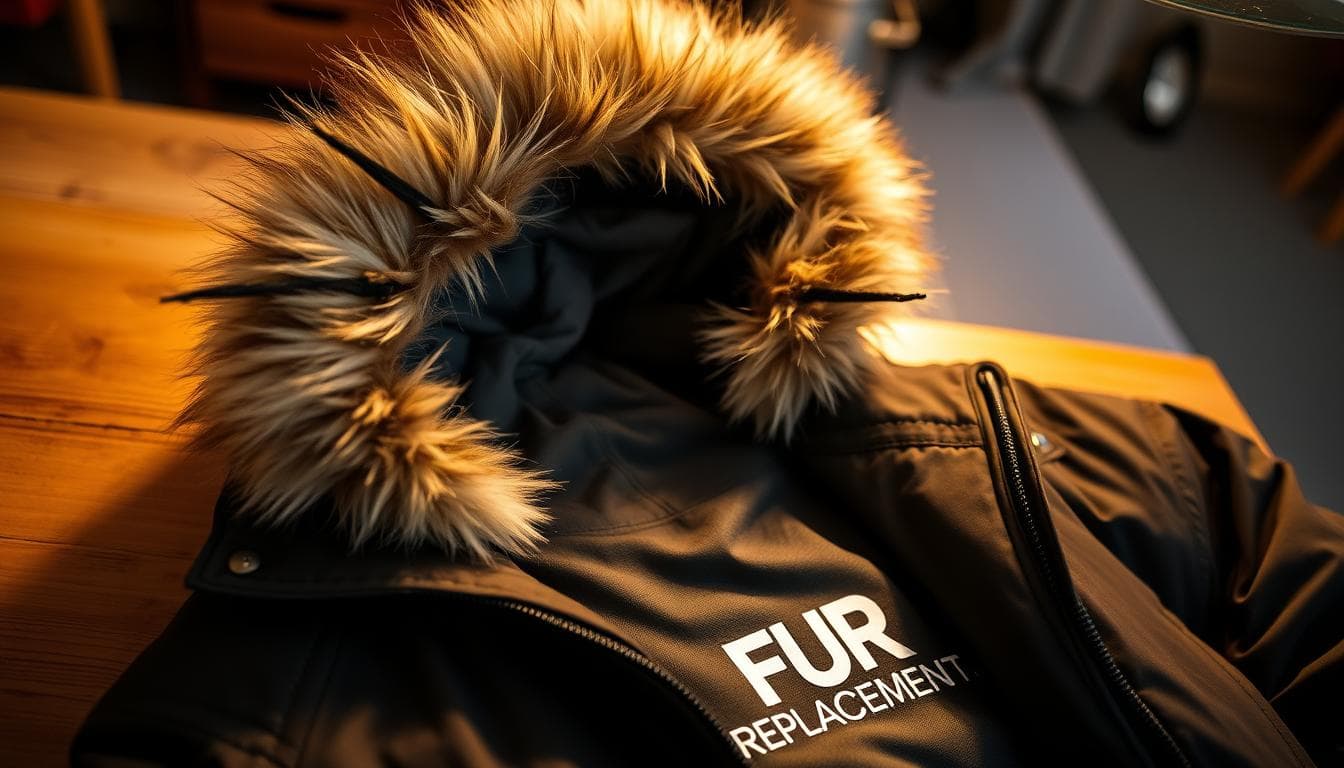
Premium Winter Jacket Hood Accessories by FUR REPLACEMENT™
There are pieces in our closets that hold memories—first trips, cold walks, moments we hoped to keep. We understand the
Read article →·palsgrossistensup
Fur care
By palsgrossistensup · 06 Oct 2025
There are moments when a coat carries memory more than warmth — a well-loved jacket, a restored collar, a brisk morning that calls for comfort.
We understand that choosing a trim feels personal. FUR REPLACEMENT™ crafts premium, cruelty-free pieces that mirror high-end pelts with Scandinavian precision.
In this guide we set a clear stage for a side-by-side look at how guard hair and underfur deliver wind block and loft in modern outerwear trims and fur garments. You’ll learn how density, pile selection, and finish affect daily performance from dry cold to damp coastal wind in the United States.
We also explain natural color ranges — from earthy gray-brown tones to a broad dyed palette — and how that influences silhouette and perceived volume. For practical details on trimming around hoods and edges, see expert guidance on fox trimming around hoods.
Warmth in a trim starts where visible hairs meet the air.
Guard hairs form the outer shell. These longer fibers shed gusts and protect the inner layer. The underfur traps air and creates loft, the true engine of insulation.
Length and stiffness of the guard layer matter. Longer guard fibers deflect wind, keep the profile crisp, and stop wet snow from matting the inner pile.
Density and crimp in the underlayer drive loft and the warmth-to-weight ratio. Plush underlayers can stay warm even when sheared to reduce bulk.
We design FUR REPLACEMENT™ trims to replicate these roles using cruelty-free materials that honor Scandinavian craft. Check the surface by touch and the inner loft by feel to predict real-world performance on commutes and travel.
Performance in a parka comes down to two things: loft and the direction of surface hairs.
Coyote warmth profile: Dense underfur pairs with long, darker guard hairs to shed wind at the hood opening. The result reads rugged on pelts and stands up to daily wear.
Fox warmth profile: Fluffy loft and abundant underlayer create a plush, cloud-like touch. This profile gives immediate perceived heat and a wide palette for color and styling.
Our FUR REPLACEMENT™ construction mirrors coyote’s wind-shedding outer feel and fox’s plush inner loft. We tune fiber length to deliver warmth where it matters while keeping premium quality and craft in every ruff.
The right edge treatment alters weight, movement, and the way a jacket meets the wind.
We craft FUR REPLACEMENT™ ruffs, collars, and cuffs to elevate everyday coats with couture-level shape retention and comfort. These trims restore vintage pieces or finish new outerwear without animal materials.

Trims concentrate insulation at high-exposure points like collars and cuffs. That improves comfort without adding the bulk or weight of full panels across the torso.
Full-panel constructions add mass and can reduce breathability. Trims deliver targeted insulation and visual impact while preserving drape and range of motion.
Tailoring notes: secure anchor points and even tension along the facing so the trim lays flat, resists twisting, and reads intentional.
Scandinavian design treats trims like brief, decisive gestures in a coat’s silhouette.
We favor proportion, restraint, and tactile richness when we craft replacements. Our pieces replicate subtle tonal transitions and pile architecture to create polished, modern lines.
Earthy ranges move from gray-brown to yellow-gray in natural pelts. Fox offers many natural tones and is highly dyeable, while beaver reads glossier and more rugged.
High loft gives volume at the face. Sleeker piles deliver pared-back Scandinavian lines while keeping thermal performance.
“Tonal discipline and measured texture make a trim feel intentional.”
A high-quality replacement must read authentic while meeting modern ethics.
We engineer fibers to simulate a wind-shedding guard layer and a plush underlayer without animal skin.
Our pieces match pile, tip shading, and hand-feel so coats and collars keep their intent.
Scandinavian build means high stitch density, edge reinforcement, and pile setting for long life.
Backings are abrasion-resistant so trims fasten easily to wool and technical fabrics.
This focus on craftsmanship raises the overall quality and keeps trims also affordable versus rare natural materials.
We offer restoration services that color-match, adjust pile length, and tailor proportions for heirloom garments.
Consistent synthetic fibers reduce shedding and matting common in some used fur pieces.
| Material | Durability (0-100) | Weight | Best use |
|---|---|---|---|
| Rabbit (natural) | 5 | Light | Low-wear trims |
| Beaver (natural) | 90 | Medium | High-durability coats |
| Engineered alternative | 80 | Light–Medium | Daily-wear trims and restorations |
“Premium replacements should honor craft, performance, and responsibility.”
A trim’s real test is how it handles wind, cold, and wet across U.S. climates.
We tune FUR REPLACEMENT™ fibers for conditions from dry Rockies cold to damp coastal wind. In practice this means balancing wind control, breathability, and packability for everyday use.
Historical trims with long guard hairs helped soldiers in severe gusts. Today we borrow that idea. A coyote-inspired edge works well on parka ruffs to shield faces in gusty cities.

Beaver fur informs our water-shedding concepts. The dense underlayer and oily surface resist moisture. A sheared beaver analog keeps the surface lighter while holding heat.
Fox-inspired loft gives a plush, low- weight feel. That profile suits high-altitude dry cold when paired with breathable shells to avoid overheating indoors.
“Pile architecture that lifts moisture away from the face keeps warmth reliable when snow turns to sleet.”
| Climate Type | Recommended Profile | Key Benefit |
|---|---|---|
| Windy urban | Guard-hairs structure | Face protection, reduced wind chill |
| Damp coastal | Beaver-inspired pile / sheared beaver analog | Water resistance, lower weight |
| High-altitude dry | Fox-inspired loft | Light, insulating loft |
Different pelts bring distinct performance notes — from silkiness to rugged durability — that shape design choices.
Mink fur inspires sleek, tailored trims. Its lustrous guard hairs and dense underlayer make a refined collar that keeps lines clean. We reference mink cues for pieces that need a polished, low-volume profile.
Sheared beaver and beaver fur inform warmth-to-weight choices. A sheared beaver analog feels velvety while holding heat. Beaver-grade durability also guides selections when daily use and longevity matter.
Chinchilla fur contributes ideas for ultra-dense, cloud-soft loft. That density translates into plush alternatives that remain surprisingly light. We use chinchilla cues to create luxury hand-feel without fragile handling needs.
Lynx fur and rabbit fur offer contrasting strengths. Lynx furs add airy movement and visual drama with modest weight. Rabbit (rex) gives an ultra-soft touch at accessible price points, though real rabbit pelts read less durable; our builds strengthen that profile.
“We apply lessons from classic pelts—mink sleekness, beaver resilience, chinchilla density—to craft ethical alternatives with elevated finish.”
Context matters: understand the look, function, and price you want. Then choose a handcrafted alternative that delivers the pelts’ best qualities—ethically and built to last.
Begin by matching the trim to how you actually wear your coat each day.
Fit first. Measure the collar stand and hood opening so the trim sits flush without buckling. Verify button and zip spacing for secure, easy attachment across coats and other garments.
Select pile and type. Choose sleeker, mink-informed piles for tailored topcoats and high-loft, fox-inspired piles for dramatic parkas and fur coats. Sheared constructions reduce weight while keeping heat.
Balance hair mimic and comfort. Wind-facing edges benefit from stiffer fibers; cheek-contact zones need softer touch. Match pile length to the coat’s silhouette for natural movement.
Longevity tips. Detach trims before cleaning the coat. Avoid crush points under heavy straps. Schedule seasonal checks for stitching and fasteners to keep hardware secure.
“Premium alternatives are also affordable compared with rare natural materials and avoid variability found in some used fur pieces.”
Value check. We advise people to weigh quality and cost. Engineered replacements deliver consistent performance and make fur coats and other garments easier to maintain over time.
A well-crafted collar can change how a coat feels and performs every day.
FUR REPLACEMENT™ delivers the look and performance of luxury trims using ethical materials and Scandinavian craft. You now know how guard hairs and underlayers shape insulation, silhouette, and real-world use for fur garments and wool outerwear.
From mink and beaver cues to chinchilla density and rabbit softness, our type fur approach reproduces key pelts without animal skin. For tailored coats choose sleeker mink fur analogs; for expedition pieces, consider fox fur or beaver-inspired builds like sheared beaver.
Ready to restore or elevate a coat? Share measurements and color preference—whether a subtle brown color gradient or bolder shade—at www.fur-replacement.com. We’ll craft a finish that fits your life and lasts.
More Posts
Fur care
There are pieces in our closets that hold memories—first trips, cold walks, moments we hoped to keep. We understand the
Read article →·palsgrossistensup
Fur care
Some choices stay with you: a worn collar, a beloved coat, a memory tied to a single trim. We know
Read article →·palsgrossistensup